The Ultimate Snowbird RV Guide: Top Routes and Planning Tips for Winter 2026–2027
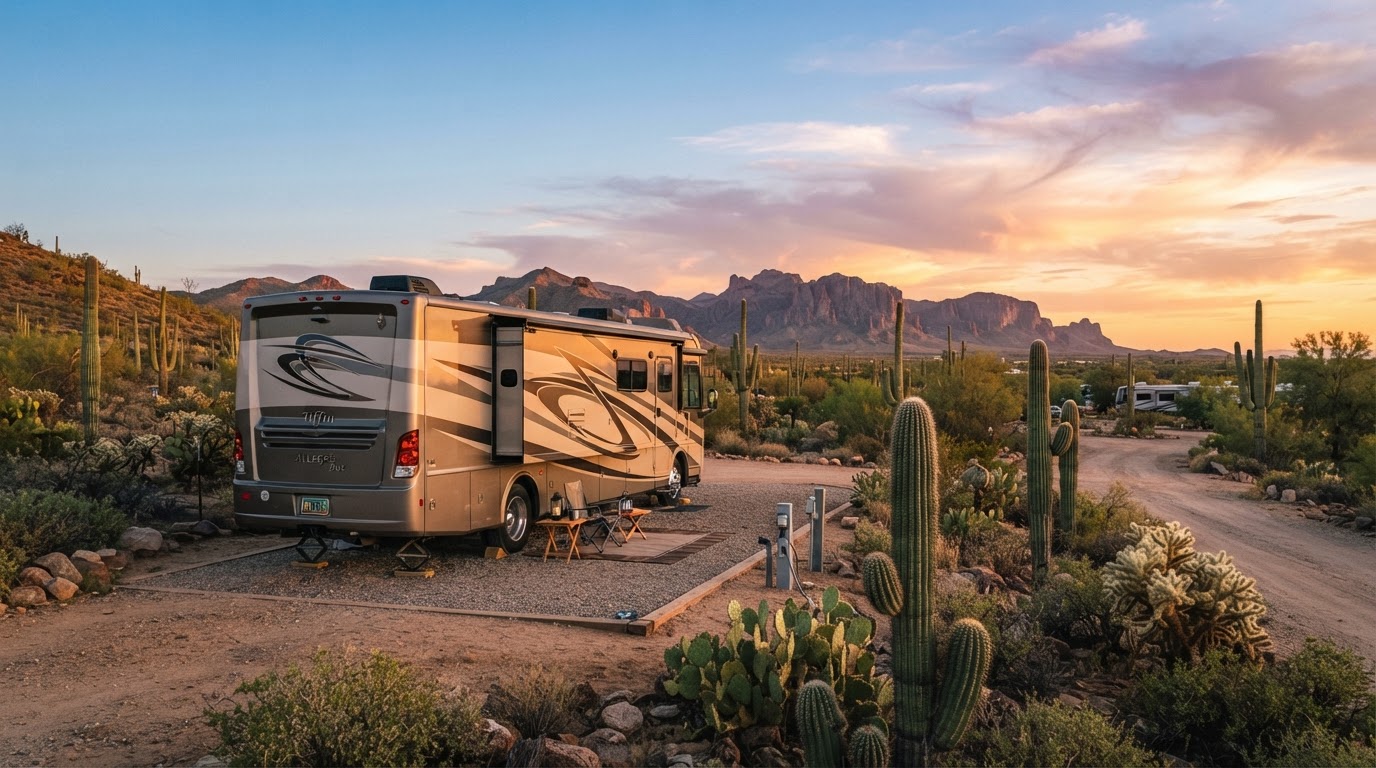
As the days get shorter and temperatures start to drop across the northern states, hundreds of thousands of RV owners begin planning the same annual ritual: the great migration south. Whether you're a first-time snowbird or a seasoned winter traveler, the 2026–2027 season brings new campground options, shifting reservation windows, and better tools to plan the whole trip without the spreadsheet chaos.
This guide covers the most popular snowbird RV routes, the best warm-weather destinations, campground booking strategies that actually work, and how modern trip planning tools can take the headache out of a multi-week winter migration.
What Is a Snowbird RV Trip?
Snowbirding is the practice of migrating south for the winter — typically from October or November through March or April — to escape freezing temperatures, ice, and snow. RV snowbirds have a unique advantage over their house-owning counterparts: they bring their home with them, can travel at their own pace, and can explore multiple destinations along the way rather than being locked into a single winter rental.
The typical snowbird season runs from late October through early April, though the timing varies. Some RVers leave as soon as the first frost hits, while others wait until after the holidays and head south in January. The return trip usually happens when spring temperatures make the northern states livable again — often March through May.
The 5 Most Popular Snowbird RV Routes
1. The Eastern Seaboard Route (I-95 Corridor)
Best for: Northeast and Mid-Atlantic snowbirds heading to Florida
This is the most heavily traveled snowbird route in the country. Starting from New England or the Mid-Atlantic states, you follow I-95 south through Virginia, the Carolinas, and Georgia before arriving in Florida.
Key stops along the way:
- Shenandoah Valley, VA — A scenic detour with mild fall weather and beautiful campgrounds
- Charleston, SC — Historic charm, great food, and several well-rated RV parks nearby
- Savannah, GA — Spanish moss, riverfront walks, and Skidaway Island State Park
- St. Augustine, FL — The oldest city in the US, with a handful of RV-friendly campgrounds
Pro tip: Avoid the I-95 rush through the DC/Baltimore corridor by taking the I-81 bypass through the Shenandoah Valley. It adds about 30 minutes but saves you from brutal traffic and tolls.
2. The Gulf Coast Route (I-65 / I-10)
Best for: Midwest snowbirds heading to the Gulf states
From the upper Midwest, take I-65 south through Kentucky and Tennessee, then connect to I-10 along the Gulf Coast. This route gives you access to the entire Gulf shoreline from Mobile, Alabama to South Padre Island, Texas.
Key stops along the way:
- Nashville, TN — Live music, hot chicken, and several RV parks within 30 minutes of downtown
- Gulf Shores, AL — Underrated beaches with excellent RV parks and fewer crowds than Florida
- Pensacola, FL — White sand beaches, the National Naval Aviation Museum, and Big Lagoon State Park
- South Padre Island, TX — A snowbird favorite with long-term RV rates and warm Gulf breezes
3. The Southwest Desert Route (I-40 / I-10)
Best for: Anyone seeking dry heat, stunning landscapes, and legendary dispersed camping
Head west on I-40 through New Mexico, then drop south on I-10 into Arizona's desert wonderland. This is the route for RVers who prefer wide-open spaces, dramatic sunsets, and the kind of dry warmth that makes winter feel like a distant memory.
Key destinations:
- Albuquerque, NM — Balloon Fiesta in October, Old Town charm year-round
- Tucson, AZ — Saguaro National Park, world-class birding, and an enormous snowbird RV community
- Quartzsite, AZ — The unofficial capital of snowbird RVing, with massive winter gatherings and swap meets
- Yuma, AZ — Over 300 sunny days per year, plus easy access to the California border
4. The Texas Triangle
Best for: Snowbirds who want variety without driving extreme distances
Texas is so large that it functions as its own snowbird ecosystem. The Texas Triangle connects San Antonio, the Rio Grande Valley, and the Gulf Coast in a loop that offers warm weather, affordable long-term campground rates, and surprisingly diverse landscapes.
Key destinations:
- San Antonio — The River Walk, missions, and several excellent RV resorts
- Rio Grande Valley — The largest concentration of winter RV parks in the country, with some offering monthly rates under $500
- Port Aransas — A laid-back coastal town with fishing, birding, and beach access
- Fredericksburg — Texas Hill Country charm with wineries and German heritage
5. The Sunbelt Express (I-10 End-to-End)
Best for: Ambitious snowbirds who want to see it all
I-10 stretches from Jacksonville, Florida to Santa Monica, California — nearly 2,500 miles across the entire southern United States. You can take the whole route or pick your favorite section. The beauty of this approach is that every major sunbelt destination is accessible from a single highway.
Highlight reel: Tallahassee → New Orleans → Houston → San Antonio → El Paso → Tucson → Phoenix → Palm Springs → Los Angeles
Top Snowbird Destinations Ranked
Not sure where to land for the winter? Here's how the most popular snowbird destinations stack up:
| Destination | Avg. Winter High | Monthly RV Park Cost | Crowd Level | Best For |
|---|---|---|---|---|
| Rio Grande Valley, TX | 72°F | $400–$600 | Moderate | Budget snowbirds, long stays |
| Tucson, AZ | 65°F | $500–$800 | Moderate | Desert lovers, hiking, birding |
| Quartzsite, AZ | 68°F | Free–$200 | High (Jan–Feb) | Boondockers, community |
| Fort Myers, FL | 77°F | $800–$1,500 | High | Beach lovers, activities |
| Gulf Shores, AL | 62°F | $500–$700 | Low | Quiet beaches, affordability |
| Mesa, AZ | 70°F | $600–$1,000 | Moderate-High | Golf, spring training |
| South Padre Island, TX | 68°F | $500–$800 | Moderate | Beach, fishing, wildlife |
Campground Booking Strategies for Snowbirds
Book Early for Popular Parks
The most in-demand snowbird parks — especially Florida state parks and popular Arizona resorts — start accepting reservations 11 months in advance. If you have your heart set on a specific park, mark your calendar and be ready to book the day the window opens.
Consider Monthly and Seasonal Rates
Most snowbird-oriented RV parks offer significant discounts for monthly and seasonal stays. A park that charges $60/night might offer a monthly rate of $800–$1,000, saving you 40–50% compared to nightly pricing. Always ask about long-term rates even if they aren't listed on the website.
Use Campsite Availability Alerts
One of the most frustrating parts of snowbird planning is finding that your preferred campground is fully booked. Modern tools like VistaBound's Campsite Radar solve this by monitoring sold-out campgrounds and sending you an alert the moment a cancellation opens up a spot. Instead of refreshing reservation pages manually, you get notified automatically and can grab the site before anyone else.
Have a Backup Plan
Even with early booking and cancellation alerts, flexibility is the snowbird's superpower. Keep a list of 2–3 alternative campgrounds near each destination. Some of the best snowbird experiences come from spontaneous discoveries — that small county park with full hookups and zero crowds that nobody talks about online.
Planning a Multi-Week Snowbird Trip Without the Spreadsheet
Snowbird trips are inherently complex. You're not planning a weekend getaway — you're mapping out weeks or months of travel across multiple states, with campground reservations, driving distances, rig-fit considerations, and weather patterns all factored in.
This is exactly the kind of trip where AI-powered planning tools earn their keep. Instead of juggling spreadsheets, browser tabs, and reservation confirmations, a tool like VistaBound can plan your entire route in minutes:
- Tell it where you want to go and when. Say something like "Plan a 6-week snowbird trip from Michigan to Florida, stopping in Tennessee and the Gulf Coast along the way, leaving mid-October."
- Get a day-by-day itinerary with campgrounds that actually fit your rig — length restrictions, hookup types, and pull-through availability all considered.
- See live campsite availability so your plan is built around what can actually be booked, not just dots on a map.
- Adjust on the fly. Want to skip a stop? Add a detour to visit friends in Alabama? Just say "swap the Gulf Shores stop for a week in Destin" and the plan reworks itself in seconds.
- Navigate with RV-safe routing that accounts for your rig's height, weight, and length — including CarPlay and Android Auto support so you're not fumbling with a phone mount.
The planning phase of a snowbird trip traditionally takes days or weeks of research. With the right tool, you can have a solid draft itinerary in under 10 minutes, then refine it until it's exactly what you want.
Winterizing vs. Snowbirding: What About Your Rig?
If you're heading south for the entire winter, you won't need to winterize your RV — you're using it. But there are a few cold-weather considerations for the trip itself:
- Watch overnight lows along your route. Even in October, overnight temperatures in the Carolinas or Tennessee can dip into the 30s. Make sure your water system is protected during overnight stops in transitional weather.
- Carry a portable electric heater as a backup to your RV furnace. It's more efficient on shore power and keeps propane consumption down.
- Check your tires. Cold temperatures reduce tire pressure. Verify your tire pressure (and adjust to cold-weather specs) before departure and at every fuel stop during the first few days.
- Top off your propane before heading into rural stretches where refills may be harder to find.
When to Leave and When to Come Back
The ideal departure timing depends on where you're coming from and where you're going:
- Northern states (Minnesota, Wisconsin, Michigan, New England): Mid-October to early November. You'll beat the first serious snowfall and catch beautiful fall color along your route.
- Mid-Atlantic and Upper South: Late October to mid-November. Temperatures are still comfortable for driving, and campgrounds along your route won't be at peak snowbird congestion yet.
- Return trip: Most snowbirds head north between mid-March and late April. Leaving too early means risking late-season winter storms. Leaving too late means fighting the northbound traffic surge and losing access to seasonal campground rates.
Make This Your Best Snowbird Season Yet
The snowbird RV lifestyle is one of the most rewarding ways to spend the winter months — warm weather, new places, and the freedom to change your plans whenever the mood strikes. But a great snowbird trip starts with a great plan.
Whether you're plotting your first winter migration or refining a route you've traveled for years, modern planning tools make it easier than ever to handle the logistics so you can focus on the experience. Try VistaBound free and plan your entire snowbird route in minutes — complete with RV-safe routing, live campsite availability, and campground cancellation alerts that keep your options open all winter long.
Safe travels, and enjoy the sunshine.